
full color manga has risen as a dynamic new frontier in the world of comics and graphic novels, revolutionizing traditional storytelling visual styles. As the industry evolves, this vibrant format offers both creators and readers a fresh way to experience stories with unparalleled visual richness. In this article, we’ll explore the many facets of the full color manga phenomenon—from its origins and artistic techniques to its cultural impact and future prospects. Whether you're a seasoned manga reader or an aspiring artist, understanding the full spectrum of this development will deepen your appreciation for this colorful revolution.
Full color manga represents a seismic shift in how visual narratives are presented, blending the detailed artistry of traditional manga with the vivid immediacy of color to captivate audiences worldwide.
The Rise of Full Color Manga - A Visual Revolution
The emergence of full color manga signifies a significant turning point in comic art, paralleling advances in printing technology and digital publishing. Historically, manga has been predominantly black and white, partly due to cost and the traditional constraints of serialized printing. However, with digital platforms lowering distribution costs and enabling high-quality color reproduction, publishers are increasingly embracing the full spectrum of colors. This shift not only enhances aesthetic appeal but also offers storytellers new avenues to evoke emotion, highlight important narrative elements, and differentiate their work in a crowded marketplace.
Moreover, the rise of webcomic platforms and digital manga stores has democratized access, allowing independent artists to pursue full color projects without the hefty overhead of traditional printing. These technological and cultural shifts collectively foster an environment where full color manga is not just a luxury but quickly becoming a mainstream standard. The visual revolution is making manga more accessible, engaging, and versatile, inspiring a new generation of creators who harness the power of color to elevate storytelling to new heights.
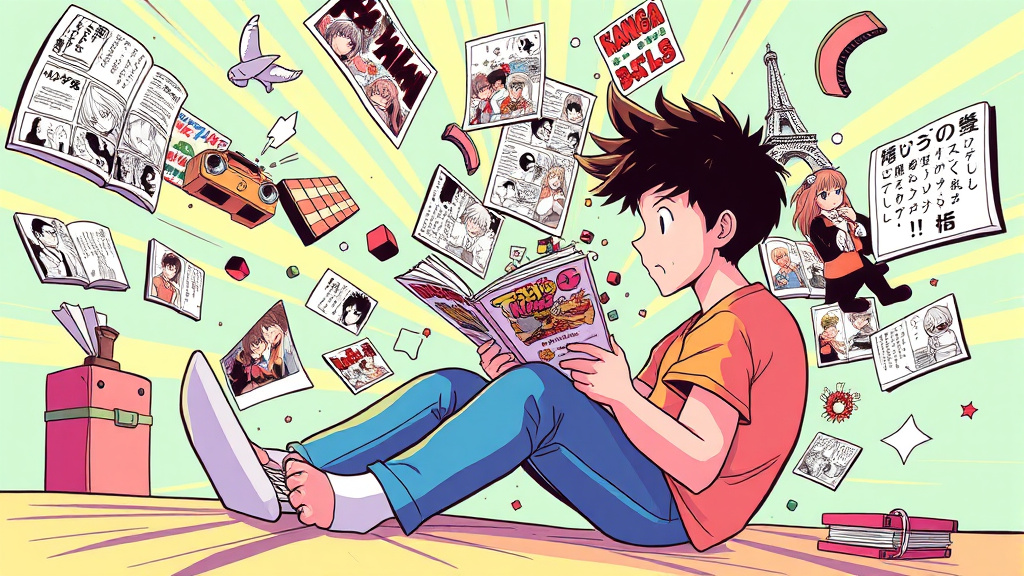
 Hình minh họa: full color manga – one piece comic book volume 1
Exploring the Appeal of Full Color Manga - Why Readers Are Drawn In
Readers are increasingly captivated by full color manga because it breathes new life into familiar characters and narratives, making the stories more immersive and emotionally resonant. Color adds depth and vibrancy that black and white cannot fully capture, whether through subtle shading or bold hues that set the tone of a scene. For readers, the allure lies in the enhanced visual experience, which makes world-building more vivid and characters more relatable. Color can also be used to guide focus, emphasizing key moments or emotional shifts that deepen engagement.
From a personal perspective, the appeal of full color manga goes beyond aesthetics—it's about the sensory experience that transports readers directly into the artist's universe. The richness of color schemes, the interplay of light and shadow, and the nuanced palettes all work together to evoke mood and atmosphere more precisely. This emotional depth, combined with eye-catching artwork, ensures that the full color manga appeals to both casual readers and dedicated fans, bridging the gap between traditional manga artistry and high-quality illustration.

Full Color vs. Black and White Manga - A Comparative Analysis
While black and white manga has been the industry standard for decades, full color manga introduces a different set of artistic and narrative possibilities. Black and white manga often relies heavily on line work, shading, and contrast to convey mood, which fosters a unique aesthetic that emphasizes detail and atmosphere. Conversely, full color manga uses hues strategically to evoke emotion, differentiate settings, and enhance character design. This makes color a powerful storytelling tool, capable of conveying complex themes with visual immediacy.
However, the comparison reveals limitations and opportunities. Black and white manga tends to be quicker to produce and less expensive, making it accessible for serialized publishing. Full color manga demands more time, skill, and often a larger budget but pays off by offering a richer viewer experience that can distinguish new titles and attract diverse audiences. Ultimately, both formats serve different artistic visions and practical needs, but the ongoing shift toward vibrant color suggests a growing appetite for visual storytelling that transcends traditional boundaries.
Techniques and Tools Behind Full Color Manga Creation
Creating compelling full color manga requires mastery of specific techniques and tools that blend artistry with technology. Many artists utilize digital software—such as Clip Studio Paint, Photoshop, or Procreate—that offers layers, masking, and a vast array of brushes designed specifically for manga coloring. These tools enable artists to experiment with palettes, lighting effects, and seamless shading, bringing the vibrancy of their vision to life with precision and speed that traditional methods couldn't match.
Beyond digital tools, coloring in full color manga involves a thoughtful process of color theory application, understanding atmospheric perspective, and character design. Successful artists often develop palettes that reflect the mood—cool blues for calm scenes or fiery reds for intense moments—and use lighting to enhance depth and focus. Strategic use of textures, gradients, and overlays further enhances the richness and realism of the artwork. As technology advances, the fusion of manual skill with digital efficiency makes creating high-quality full color manga more accessible and innovative than ever before.
The Impact of Full Color on Manga Storytelling and Emotion
The infusion of color into manga transforms storytelling by heightening emotional impact and clarifying narrative cues. Colors can embody feelings—soft pastels evoking nostalgia, stark reds indicating danger, or mysterious purples suggesting magic—thus guiding the reader’s emotional response more directly. Furthermore, color can delineate various story elements, from setting distinctions to character states, making complex plots clearer and more engaging. This added layer of visual communication enriches the narrative and enables creators to craft more nuanced stories.
Emotionally, full color manga offers an intuitive connection, as color palettes stimulate viewers’ subconscious associations. For instance, warm hues often evoke warmth and intimacy, while cool tones suggest calm or melancholy. Artists can manipulate these colors to evoke specific feelings and enhance dramatic tension. Consequently, full color manga has become an essential tool for storytellers seeking to deepen the reader's emotional investment, making each scene memorable and immersive. This blending of visuals with emotion signifies a new era where art and storytelling are inseparable in delivering compelling narratives.
Top 10 Must-Read Full Color Manga Series
Among the myriad of full color manga series, several titles stand out for their artistic excellence and storytelling innovation. "Colorful Life" offers a heartfelt coming-of-age story painted in soft, evocative hues that convey innocence and growth. "Crimson Shadows" uses intense reds and blacks to depict a dark fantasy universe, immersing readers in a visceral experience. "Neon Tokyo Dreams" captures vibrant urban landscapes with electrifying neon palettes, highlighting the energy and chaos of city life. These series exemplify how color can elevate storytelling, making each page a feast for the senses.
Other notable titles include "Pastel Hearts," which combines delicate colors to explore themes of love and loss, and "Celestial Odyssey," where cosmic palettes underscore a space-faring adventure. "Inner Visions" employs a surreal color scheme to portray mental health themes, while "Dragon’s Breath," with its fiery palette and dynamic compositions, energizes traditional fantasy narratives. Completing the list, "Spectrum of Souls" explores identity with a broad spectrum of hues that symbolize diversity and self-discovery. Each of these series demonstrates how full color manga captivates readers and pushes creative boundaries.
The Future of Manga - Will Full Color Dominate the Market?
The trajectory of full color manga suggests that it will continue to grow in prominence as technology advances and consumer preferences shift. Digital platforms and print-on-demand services make producing and distributing vibrant, full color titles more feasible than ever before. As younger generations, who are conditioned to expect more visually engaging digital content, become avid manga consumers, the demand for full color formats will likely increase. This trend signals a future where color-rich manga might become the norm rather than the exception, redefining industry standards.
Nevertheless, the transition isn't without challenges. The increased production costs and longer creation times pose barriers for some artists and publishers. However, innovations such as AI-assisted coloring and more efficient digital workflows are poised to address these issues, making high-quality full color manga more accessible. Overall, as the industry finds sustainable models, full color manga is set to dominate more market segments, appealing to both new audiences and traditional fans eager for more immersive visual stories. The future of manga, vibrant and full of possibilities, is undeniably in color.
Monetization Strategies for Full Color Manga Artists
For artists and publishers, monetizing full color manga involves multiple strategic avenues. Digital platforms like ComiXology, Webtoon, and Patreon provide opportunities for artists to distribute their work directly to fans, creating revenue streams through subscriptions, pay-per-view, or exclusive content. Crowdfunding campaigns via Kickstarter or Indiegogo also prove effective for producing high-quality full color projects and gauging real-time interest. Additionally, licensing, merchandise, and print-on-demand services enable artists to diversify income sources and capitalize on their artwork's popularity.
Moreover, branding and community engagement are crucial for long-term success. Building a loyal fanbase through social media, live events, and online communities allows artists to promote their work organically and secure consistent support. As the demand for full color manga continues to grow, understanding these monetization strategies becomes essential for artists seeking sustainability. Strategic investments in marketing, branding, and innovative collaborations will shape the future of full color manga as a viable and lucrative creative industry.
The Challenges and Opportunities of Publishing Full Color Manga
Publishing full color manga presents both significant hurdles and exciting opportunities. The primary challenge involves higher production costs—color printing, digital rendering, and extended creation times can strain budgets and timelines. Additionally, there's the technical requirement of maintaining consistent, high-quality coloring across episodes or volumes, demanding skilled artists and advanced software. Despite these obstacles, the opportunity lies in reaching wider audiences and creating more visually compelling narratives that stand out in saturated markets.
Furthermore, digital self-publishing has democratized access, allowing independent creators to bypass traditional publishers and bring their full color projects directly to global audiences. This decentralization opens avenues for niche storytelling and experimental art styles that might not fit mainstream molds. Embracing emerging technologies like AI-assisted coloring and augmented reality could revolutionize the publishing landscape, making full color manga more scalable and interactive. Ultimately, publishers and creators who navigate these challenges with innovation and adaptability will find fertile ground for growth and creative expression.
Full Color Manga and Its Influence on Western Comics
The influence of full color manga extends beyond Japan, significantly impacting Western comics and graphic novels. Western creators have increasingly adopted vivid color palettes and dynamic panel layouts inspired by full color manga's energetic style. This cross-pollination has led to more expressive storytelling, blending manga’s emotional depth with Western comic traditions. As a result, genres like superhero, sci-fi, and horror have embraced the colorful aesthetics, attracting new, diverse audiences eager for innovative visual experiences.
This cultural exchange fosters a broader appreciation for visual storytelling as a universal language. Full color manga's popularity encourages Western artists to experiment with colors, shading, and compositions that break traditional norms. Conversely, manga publishers have begun incorporating Western comic influences, producing hybrid works that challenge genre boundaries. Ultimately, the fusion of full color manga and Western comics enriches both industries, pushing creative boundaries and expanding the possibilities of visual narrative storytelling across the globe.
Conclusion
In summary, full color manga heralds a new era of vibrant storytelling, blending artistic mastery with technological innovation to elevate visual narratives into immersive experiences. Its rise has been driven by advancements in digital publishing, increased accessibility, and evolving consumer preferences for more dynamic content. The appeal of full color manga lies in its ability to evoke emotion, clarify complex stories, and attract diverse audiences, making it a pivotal force reshaping the industry. While challenges such as production costs persist, new tools and market opportunities are paving the way for expanded creativity and monetization strategies. Moreover, the influence of full color manga extends globally, shaping Western comics and fostering cross-cultural artistic exchanges. As this colorful revolution continues, it promises an exciting future filled with innovative stories, artistic experimentation, and richer visual experiences that captivate audiences worldwide.


_vol_1.png)
